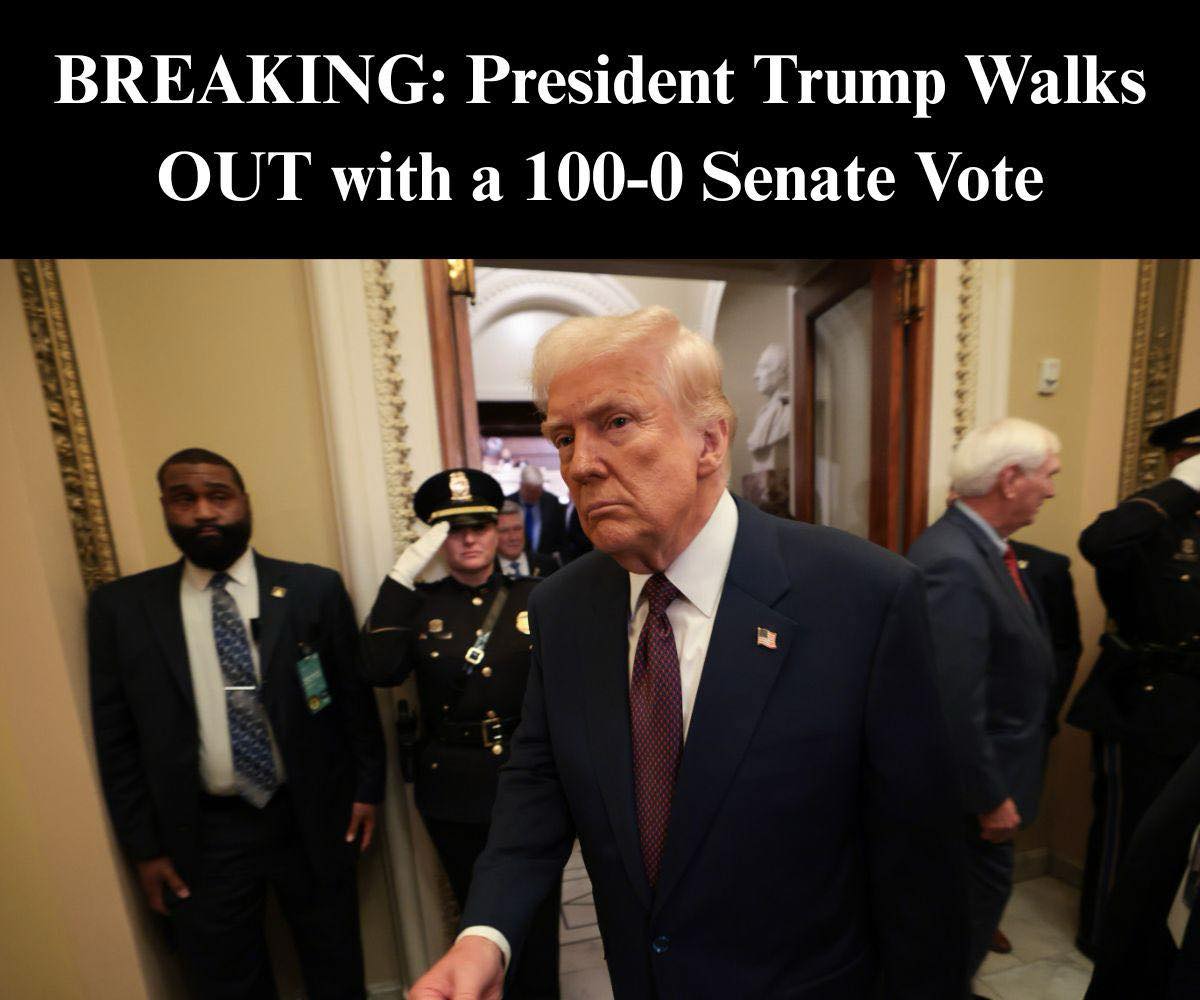
Senate Passes “No Tax on Tips Act,” Delivering Rare Bipartisan Win for Service-Sector Workers

In an unexpected moment of unity, the U.S. Senate has unanimously approved the No Tax on Tips Act, a measure spearheaded by Texas Republican Sen. Ted Cruz and co-sponsored by Nevada Democrat Sen. Jacky Rosen. If enacted, the bill would exempt tip income from federal income tax, handing direct relief to millions of waiters, bartenders, hotel staff, delivery drivers, and other workers who depend on gratuities to make ends meet.
Why Lawmakers Say Tipped Workers Need Help
-
Unpredictable income: Servers, bartenders, and other tipped employees often endure wide swings in pay from shift to shift.
-
Paycheck-to-paycheck reality: Many rely on gratuities to cover essentials like rent, groceries, and child care.
-
Complex reporting rules: Current law requires workers to track and report every dollar in tips, while employers must handle additional withholding paperwork.
Sen. Cruz framed the bill as a straightforward fairness measure: “These are blue-collar Americans living shift to shift. Letting them keep every dollar of their hard-earned tips is the least we can do.”
Sen. Rosen underscored the legislation’s importance to Nevada’s tourism-driven economy, noting that tips often represent “not a bonus, but the bulk of a paycheck” for hospitality workers in her state.
Key Provisions
| Current Rule | Proposed Change |
|---|---|
| Tipped workers must report tip income, which is subject to federal income tax and payroll withholding. | Tip income remains reportable but would no longer be subject to federal income tax. |
| Employers calculate, withhold, and remit taxes on reported tips, creating extra administrative steps. | Withholding on tips for federal income tax would disappear, simplifying payroll for small businesses. |
Important: The exemption applies only to gratuities given directly by customers—not to hourly wages, bonuses, or service-charge distributions paid by employers.
A Promise From the Campaign Trail
The concept revives a pledge former President Donald Trump often made on the stump: “We’ll make sure you keep your tips.” By advancing Cruz’s bill, Senate Republicans are delivering on that promise, while Democrats see an opportunity to support low-income workers in the service sector.
Service-Worker Response
Early reaction from industry employees and advocacy groups has been enthusiastic:
-
Maria Lopez, a server in Austin, says she works double shifts six days a week. “After taxes, the difference between a good month and a bad one can be fifty bucks. Keeping everything I earn in tips could pay my utility bill.”
-
Trade associations representing restaurants and hotels applaud the simplicity: fewer payroll headaches, happy employees, and potentially lower turnover.
Open Questions and Possible Pitfalls
Despite the 100-to-0 vote, economists and tax specialists have flagged several issues:
-
IRS enforcement: Eliminating the income-tax liability on tips could tempt under-reporting, making it harder for the IRS to track actual earnings.
-
Social Security & Medicare: While the bill affects federal income tax, it does not alter payroll taxes that fund Social Security and Medicare. Still, some experts worry it might muddy reporting and collection.
-
Revenue impact: Foregone tax dollars must be offset elsewhere or absorbed into the deficit. Analysts are still crunching the numbers.
Supporters contend these concerns are manageable and point out that the Senate Finance Committee can fine-tune compliance safeguards during the next phase.
Next Steps in the House
The measure now heads to the House of Representatives, where Republicans have signaled early support. Democrats representing states with significant hospitality sectors—Florida, New York, and Rosen’s Nevada—appear open to the idea as well.
If the House passes the bill without major revisions, it will proceed to the president’s desk. Should amendments emerge, the chambers would need to reconcile differences before final approval.
Potential Economic Ripple Effects
| Supporters Predict | Skeptics Worry |
|---|---|
| • Higher take-home pay may spur spending at local businesses. • Simplified payroll lowers admin costs for small restaurants. • Could boost morale and reduce turnover in high-churn jobs. |
• Lost tax revenue could widen the federal deficit. • Might complicate IRS oversight and foster under-reporting. • Could set a precedent for carving out other income categories. |
Both sides agree on one point: tipped workers are among the economy’s most under-compensated and overworked employees, and targeted relief is overdue.
A Bipartisan Bright Spot
In an era of deep-rooted partisan divides, the No Tax on Tips Act stands out as a reminder that Congress can still rally around kitchen-table issues. For millions of service-sector workers, the message is clear: the money customers leave on the table is theirs to keep—uncut by federal income taxes—if the bill becomes law.